রবিবার, ৮ জানুয়ারি, ২০২৩

Hungryalist movement did continue after 1965

   The movement did continue after 1965      

 Malay Roychoudhury interviewed by Nishtha Pandey

Nishtha : In your own words, can you explain briefly why the movement ended? Were the reasons purely political?


Malay : People thought that the movement ended after I left Kolkata in 1967 consequent upon my exoneration at High Court and my getting a job in Agricultural Refinance & Development Corporation, Lucknow. I was from a Patna slum called Imlitala and did not have any knowledge of agriculture and rural life. I had to gain knowledge by reading about rural life. The movement was continued by other members but they did not give publicity to their magazine “Khudharto '' as I did by distributing leaflets and pamphlets which reached readers quickly ; nobody had to pay. Leaflets/pamphlets  had a greater reach as some of them were in English as well. “Khudarto” was in Bengali and Kolkata Centric. In fact seven issues of “Khudharto’ were published as an anthology by Sahitya Academy. Unfortunately those who published “Khudharto '' took a decision to have only a few writer friends as contributors. I used to increase the number of participants which included writers, poets, dramatists, cartoonists and painters. The movement took roots in North Bengal and Tripura in 1975-1980 but then again they were not publicized. Politics played a role as far as the then West Bengal government wanted to stifle our voice, arrested us and charged me for my poem Stark Electric Jesus. When my elder brother returned to Kolkata and started a literary magazine called HAOWA39, and I got transferred to Kolkata, interest among younger generation writers about our movement received attention. I was requested to write about the movement by a magazine of Bangladesh which was republished in Kolkata by a publisher and published again by another publisher with lots of photographs. After Maitreyee Bhattacharjee Choudhury wrote The Hungryalists published by Penguin Random House, the movement again got an Indian attention.


Nishtha : Performing poetry was a big part of the Hungry Movement, it aimed at raising people from their passive state. Is there a particular performance that is striking to you, or stands out more than the others?


Malay : There were a few of them. One was at the cemetery of Michael Madhusudan Dutt, limited to us only, though Tridib Mitra and his girlfriend Alo Mitra had distributed cards of the event among writers and poets. The one which attracted a crowd was at Howrah station when I stood upon a bench at platform number one and read the Bengali version of Stark Electric Jesus loudly. Tridib Mitra read his poem Hatyakand. Third was at country liquor den Khalasitola on Jibananda Das’s birthday when Abani Dhar got up on a table and sang a song ; he had worked as a ship mate for some time. This became news in the next day's newspapers and literary magazines. The incident has also been included in the book ‘A Poet Apart’ by Klinton B Seely, on Jibananda Das’s life and poetry.


Nishtha : The Hungry Movement was a combination of the literary and the political when at its peak. How did this come about? Did one aspect stem from the other or were both of them intertwined from the beginning?


Malay : Both of them were intertwined from the very beginning as Hungry Generation manifestos were issued not only on literature but also on politics and religion etc. The then daily ‘Jugantar’ wrote its main editorial on consecutive days about our political manifestos. Our poems, short stories and drama had political overtones. Politics came automatically as the movement itself was a reaction to the plight of refugees at the Sealdah railway station. 


Nishtha : Caste equality was an important fight that was led by the Hungryalists. Can it be the sole reason why the movement always garnered unwanted attention from the literary elite of Bengal, and eventually from the state?


Malay : I do not think so. Elitist literary magazines did not publish under-caste works. We wondered loudly as to why they were excluded from Buddhadeva Basu, Sushil Roy, Sunil Gangopadhyay’s poetry magazines. Haradhan Dhara had to change his name to Debi Roy, since Dhara means cultivator caste, so was Sambhu Rakshit. Sunil Gangopadhyay ridiculed Haradan Dhara in letters to his friends. Actually the then Establishment was dominated by upper castes. It is the elites who requested Kolkata Police to take action against our movement. 


Nishtha : Do you think the movement’s delicate position in a postcolonial country, in post-independent Bengal, affected the fate of the movement, particularly the end, compared to let’s say the Beats in America?


Malay : The Beats came from rich families. Very rich families, when you think of Ginsberg, Kerouac, Burroughs. We were paupers compared to them. Saileswar Ghosh, Subhash Ghosh, Basudev Dasgupta, Pradip Choudhuri came from refugee families. Haradhan Dhara had to work as an errand boy at a tea stall ; his mother collected garbage from vegetable markets. Falguni Ray did nothing.  came from a slum. We did not get publishers for our books for more than two decades.


Nishtha: Do you think the friendship with Allen Ginsberg propelled the Hungry Movement in any way? Did his visit act as a catalyst for the movement?


Malay : Yes it did. Not in India but in America. In India prominent Hindi, Gujarati and Marathi writers wrote about our movement in the papers/magazines of their languages. Allen Ginsberg sent our manifestos and bulletins to Lawrence Ferlinghetti who published them in four issues of his City Lights Journal. This attracted other editors and writers of various little magazines in the USA, Latin America, Europe, Turkey and Arab world.  Research is being done in those activities by academicians now. You may find them in academia.edu. But his visit can not be termed as a catalyst. Our movement started in November 1961 and Ginsberg came in 1962. He met my elder brother Samir in 1962 and came to meet me at Patna in April 1962. My photographer father was annoyed with Ginsberg when he found out that Ginsberg was taking photos of lepers, beggars, destitutes, half-naked sadhus. He eventually made money by printing them in India Journals and Exhibiting them in various studios. He was, like other foreigners, an Orientalist.

বৃহস্পতিবার, ৫ জানুয়ারি, ২০২৩

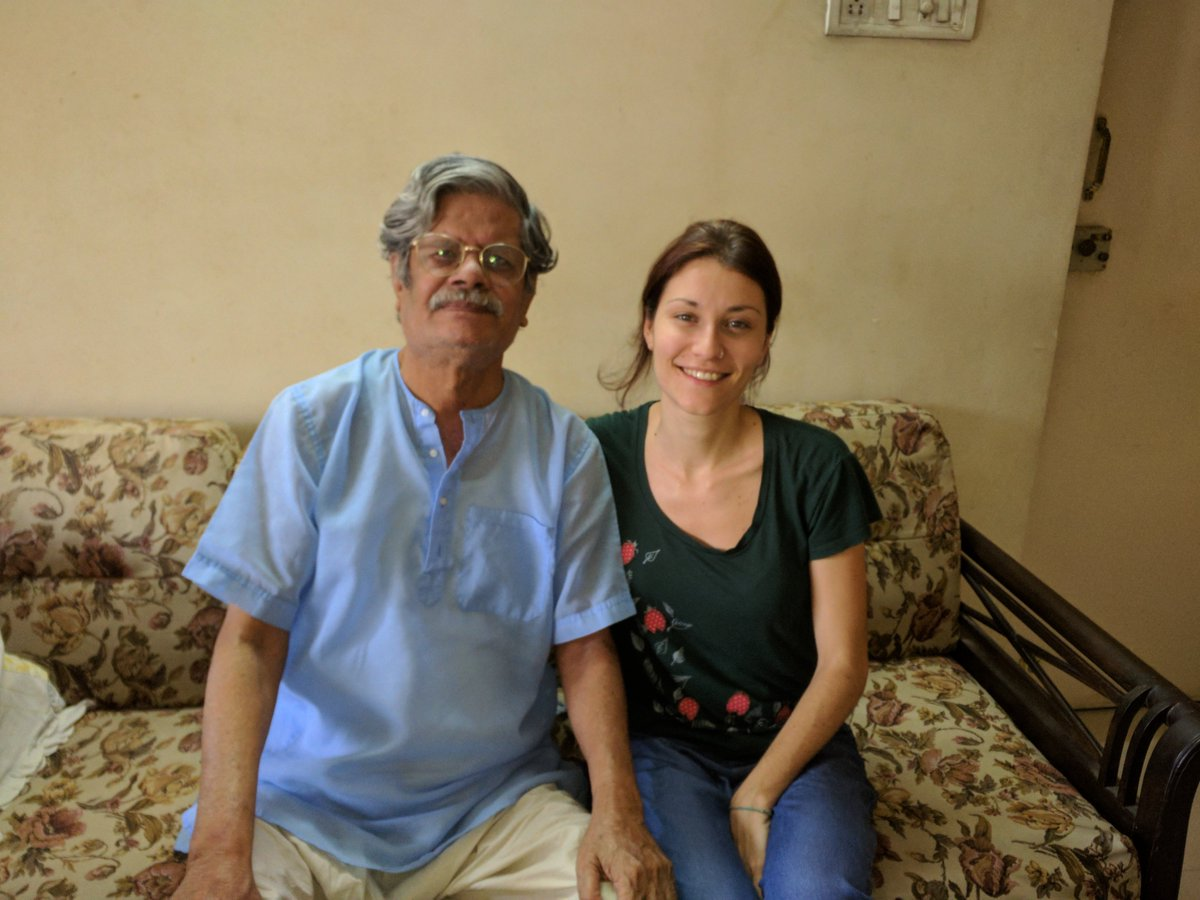
The Legend : Malay Roychoudhury


MY JOURNEY THROUGH THE HUNGRY GENERATION

Post by: Daniela Capello

Following our Sunday talk with ‘the legend’ of Hungry Generation Malay Raychaudhury, I felt the need to tidy up my thoughts on my ‘object of research’ and to look retrospectively at my journey through the countercultural movement of 1960s West Bengal known as Hungryalism. I find myself now at the very end of a long path, after years of searching, collecting, reading and (struggling) to understand what those ‘tropical Kerouacs and gangetic Ginsbergs’, as Jyotirmoy Datta named them, had to say about life, sex, and India in the age of decolonization. That is where the urge of putting pieces together comes from. What have I found in the Hungries? How did I get there?  My oral defense will soon take place: so please! Let me share a few memories with all of you few readers of this piece, as a means to exorcise all tensions and frustrations of this hard and precarious moment in our history.

My interest in Bengali language and literature started quite early in my undergrad studies. At that time, I joined classes of Hindi, Sanskrit and Indian religions and philosophies, with great enthusiasm to learn all ‘truths’ about India, this exotic country of our disenchanted imaginations. When I reached Calcutta (my first ever Indian experience) for a project of translation I fell in love with the city and its people, started to learn Bengali quite informally, through self-learning, a few courses, as well as through direct contact and dialogue with friends, students and professors in my Bengali circle. That was my magical start of the ‘oriental’ journey, with continuous ups and downs along the way.

Later the Hungries would come and punch me on the face to let me get a snort of Calcutta’s dirty underbelly. It was the end of an old way of looking at ‘the exotic other’: the dream of an authentic, local and vernacular India had ended, as I turned my eyes to a world of transgression, multilingualism, ambiguity and contradiction as they were captured in India’s literary cultures following the fall of British colonial rule.

My Hungry pull

What struck me at first about the Hungry Generation movement were two things. The first was the curiosity for their sentence for obscenity in 1964: how provocative and shocking have these poets been to a middle-class reader of that epoque? I was curious to see to what extent their poetry could be defined ‘ashlil’ (obscene) and what was that obscene about. The second was the ‘silence’ on this movement that existed in academia, in literary histories as well as in the public sphere. Issues of freedom of expression, obscenity and censorship were coming up quite strongly after 2010 and especially with the rise of the BJP and return of ideologies of hindutva in the public sphere. If many people were positively surprised and even amused by my choice, reactions from some of them were certainly ones of perplexity and, to a certain extent, of hostility towards my choice of ‘returning voice’ to transgressive actors of the Bengali middle-class. Why would a young Italian lady want to know about these wild obscene authors who spoke of sexuality in their poetry, something rather un-lyrical, instead of reading Tagore and Saratchandra or studying any other (less problematic) icon of the Bengali canon? Now I can totally see their point.

I later discovered the many interesting – yet contrasting – sides of this literary counterculture in the Bengali language and why they were perceived as problematic and controversial to mainstream literary culture. Their poetics of desecration, of irony and parody mocking coexisted with other shades of these men’s behaviour: the sexually depraved, hyper-masculine and the misogynist.

Travel and Encounter

Long before my encounter with the Hungries, my research had been oriented to exploring literature in the vernaculars and looking into questions of translation and reception of literary texts across the globe. After I got my masters, I came up with the idea of working on “little archives” and “cheap” literary materials in South Asia: those repositories of ‘ephemeral’ material and ‘fragmented’ knowledge that lies uncatalogued and scattered over a number of libraries throughout the globe. I was struck – and certainly disoriented! – when I found a great number of their letters, manifestoes, leaflets and magazines disseminated through small archives from West Bengal to the United States.

Chaotic and fragmentary were also my personal encounters with the living legends of that 1960s ‘hunger’. As were my interviews too, of which I tried to keep track with inexpert recordings done with an ordinary smartphone – including the noises from Calcutta’s roads in the background. How I wish I could go back with better equipment, a well-organized planner and smart questions! But no matter how messy and unorganized my materials were, my hosts were always helpful and available to satisfy my thirst for questions. I cherished my long Sundays of mishti and chaat (and chats) with Samir and wife Bela Raychaudhuri in Bansdroni; the visits, photo shoots and talks with Malay and Shalila di in Mumbai; my meeting with Debi Roy in Howrah, Pradip Chaudhuri in Calcutta, Shakti Chattopadhyay’s daughter Titi Ray at a Coffee Day in Park Street; the poet and Bukowski translator Subhankar Das and his friends in Qasbah; the Hungry painter Anil Karanjai’s wife Juliet Reynold in Delhi and many others. And that virtual space of poetic ‘elsewhere’ where I daily met with Phalguni Roy, his irony as well as anguish. Nurturing these different relationships over time has meant a lot for me and for my research. Meeting them and their entourages has given me a more concrete sense of the ‘person’ behind the writer and the Hungryalist, and it helped me to get things into perspective.

Perhaps at that time I did not know why I was so determined to explore these enfants térribles of Bengali poetry, these performers of a violent and predatory masculinity, especially as a non-Bengali woman. But looking retrospectively I can say that the perplexity and hostility of some people was already revealing certain traits that I found more intriguing in this avant garde movement. And that was their perception as dirty, immoral, shocking, perverted, disgusting and therefore dangerous individuals for middle and high brow readers; their sexual ambiguity and linguistic ‘in-betweenness’; their marginalization and even denunciation in mainstream discussions on literature even inside Bengal. It was precisely my ‘dysfunctional’ positioning – young woman hailing from a southern city in Europe, speaking to a northern European academic audience and to elderly Bengali poets – vis-à-vis those who once were rebellious naughty boys that made this ‘clash’ of perspectives all the way more enriching and intriguing.

In the end, after years of spotting and collecting, reading, translating and often misunderstanding; coming back to the same poems months later, re-translating and re-interpreting, I realized that my exploration was not a linear procession of ‘comprehension’, of positive validation of my findings, at all. By contrast, one of the triggers was the impossibility of understanding, the aporia of ‘translation’, of putting into words, feelings that have always lied at the heart of the anthropological experience.

About the author

Daniela Cappello is a doctoral candidate at Heidelberg University. She has recently submitted her thesis on the poetry of the Hungry Generation, exploring issues of sexuality, masculinity and transgression in their Bengali writings. She has edited a Bengali translation of Gramsci’s 25th Prison Notebook and authored articles on translation and comics. Among many other things, she loves hula hoop dance, playing guitar, and writing unfinished stories.


সোমবার, ২ জানুয়ারি, ২০২৩

The Hungryalists : Book Review


Souradeep Roy reviews

The Hungryalists: The Poets Who Sparked a Revolution


by Maitreyee Bhattacharjee Chowdhury; 

Penguin India; Pages 187; Price: Rs 599

The Hungryalists  by Maitreyee Bhattcharjee Chowdhury is the first book in English on a generation of writers in the 1960s who called themselves the Hungryalists. They self-proclaimed themselves to be “anti-establishment”writers and wrote mostly in Bengali Some of their publications, which were bulletins, were also published in English and Hindi. In the “Epilogue”, Bhattacharjee acknowledges that the Hungry Generation never made a comeback in Bengali literature, but “recent years have seen a better understanding of the movement.” While interest in the poets has certainly piqued in recent years -- and this book is certainly a result of that--, readers will be left with more questions than answers after reading the book. One reason for the recent interest in the Hungralist is a renewed interest in the Beat

Generation. Allen Ginsberg met the poets when he visited India, but, unlike him, one of the Hungryalist writers, Malay Roychoudhury, was arrested and jailed for obscenity. Bhattacharjee relies on Ginsberg’s

India Journals  among other sources, but too much of singular attention in following Ginsberg’s journey in India – his fallout with his lover Peter

Orlovsky for instance – makes for unnecessary deviations. Midway through the book one wonders whose story is being told after all. But Bhattacharjee handles the two narratives deftly in the beginning which alternates between Malay Roychoudhury’s train ride to Calcutta in October 1962 and an exposition of Ginsberg’s visit to India in Bombay in February 1961. She convincingly imagines the anticipation Roychoudhury would have felt when he was visiting the big city for the first time as she sets the social and political context in which Ginsberg visited India. We are gripped by the narrative even as there is a

diversion. As the book moves along, the narrative meanders into two separate streams and her control over structure is seldom seen again.

Her choice of narration, as well as some of her claims, can more accurately be called a reimagining of the Hungry Generation movement. The reviewer would advise against reading the book as literary history, or even, as an introductory history to the Hungry Generation movement. The book, of course, does not claim to be an authoritative history but even as popular non-fiction, there are too many jumps in the narrative. The book, for instance, claims there was a rivalry between those who published the Hungryalist bulletins and the editors of another cult magazine, Krittibash . This does not mean that writers who published in one magazine didn’t publish in the other. Bhattacharjee correctly points this out. In page 64, we learn that an editorial by Sunil Gangopadhyay in Krittibash  had admonished the Hungry Generation movement. Bhattacharjee says that this was because of a letter Sandipan Chattopadhyay, another contemporary writer, wrote while declaiming the state of contemporary literature which named Sunil and other writers. After twenty pages, in page 84, we see an episode where Malay Roychoudhury and his brother Samir Roychoudhury, visit Sunil Gangopadhyay’s house. In Spite of the tensions between the Hungryalists and the Krittibas group, Malay Ray Choudhury’s first poetry collection was published by Krittibas Prakashani in 1963. Bhattacharjee reasons that this was because Samir was close to Sunil. But how can one explain why Malay’s book was brought out by the same publication that had publicly stated in an editorial that the Hungry Generation literature has no literary worth? Or why Sunil had testified for Malay Roychoudhury in court in the obscenity case? Finding reason in literary rivalries is difficult, and Bhattacharjee must be congratulated for her effort, but one wishes such questions are answered more pointedly. The Hungry Generation has often been labeled an-establishment group, but what constitutes the establishment often gets muddled in the course of the book. Bhattacharjee points out some biographical details: the bohemian lifestyle of the writers, their attempts at changing their upper caste food habits, the inclusion of dalit writers in their fold. Literature, however, primarily concerns itself with language, and we get the impression that it was the Hungryalists' use of language that offended the establishment. Early in the book, Buddhadev Bose is described as “Bengal’s premier literary figure”. Later on, we learn that Bose’s novel Raat Bhore Bishti  ( Rain Through the Night ) had also been censored. What happens when a novel by a “premier literary figure” also gets censored? How is he different from Malay Roychoudhury -- anti-establishment’s favourite child? Bhattacharjee does not attempt to probe these questions. Looking through some of the labels the Hungry Generation writers had proclaimed for themselves, and not taking them at face value, would have worked better for Bhattacharjee. The book, though, does have flashes of Bhattacharjee’s lyrical narration. Here is an example :“The winds would often howl while they were in Chaibasa, scream like a widow losing her hair.” Her inclusion of letters exchanged among the various people embroiled in the tumultuous period in this literary history, are the book’s best parts. The reviewer, however,  was particularly disappointed to see almost all the names in the Bengali script were misspelled: editing errors which could have easily been avoided.

মঙ্গলবার, ২৭ ডিসেম্বর, ২০২২

শুক্রবার, ৯ ডিসেম্বর, ২০২২

A reader par excellence

 From Krishnagar, West Bengal, she, Sonali Chakraborty,  crossed two rivers on boats, took a taxi and reached Dumdum airport for a flight to Mumbai and met Malay Roychoudhury just for a day. She collected more than twenty books written by Malay and went back the same day. 

…………………………………………………………………………………………

যেমত নেশাতুর হরিণীর তারারন্ধ্র স্থির ও উদাস থাকে বিশালতায়

প্রায় বছর আড়াই পর আবার উঠোন ভাঙতে গিয়ে প্রথম জানা গেলো কখন গালিব বলেছিলেন "কিতনি খউফ হোতে হ্যায় শাম কে অন্ধেরো মে, পুছ উন পরিন্দো সে জিনকে ঘর নেহি হোতে"। নিজের হাজার ব্যস্ততাকে উপেক্ষা করে প্যাকিং, বোর্ডিং পাস, কার্ড ব্যালেন্স চেক করে মেয়েকে ছেড়ে দেওয়ার আগে "জাস্ট ঘুমোতে যাওয়ার সময় gdn8 টা লিখে ঘুমোবে যদি ঘুমোতে মনে থাকে" বলে আর একবারও পিছনে না তাকিয়ে সোজা নিজের দুর্গে ফিরে যাওয়ার প্রবল পুরুষটি আর দাঁড়িয়ে থাকবে না ব্যালকনিতে যখন আমি ফিরবো...

খুব সহজ ছিলো না তাই এই সফর অথচ যেতে আমায় হতোই। ভাঙা বাতিঘর থেকে নাড়ি কাটা সূর্যকে দেখার জন্য যে নশ্বরতা, তার দায় থাকে। রামধনু দিয়ে কাজল পরে যে ফ্লাইটে উঠেছিলাম বৃষ্টি আর বিদ্যুত তাকে ধুয়ে কিছু অতিরিক্ত ক্লান্তি আঁকতে পেরেছিলো মাত্র। যে কোনো ডানার উড়াল আকাশের ব্যক্তিগত ভালো লাগার তালিকায় আছে, ঝড়ে যে উড়োজাহাজ আটকে না থেকেছে, তার যাত্রী না হলে এই প্রসঙ্গে সম্যক জ্ঞান জন্মায় না।

কিংবদন্তী যে প্রেমিক তাঁর মাথা কেটে আমায় পাঠিয়েছিলেন, তাঁর পায়ে একবার হাত না রাখলে অপরাধ হয় অথচ তিনি যেহেতু বললেন "আর তো দেখা হবে না", বরাবরের উন্মাদিনী আমার ভিতরে জিহাদ এলো তাঁকে ভুল প্রমাণের, সুতরাং প্রণাম করিনি, আবার দেখা হবে এই বিশ্বাসে।

প্রেমে পড়ার মতো ভয়ঙ্কর সুন্দরী দুই বিদুষী একত্রে ছিলেন, শীলা দি ও নূপুর দি, আমার ভিতরের তরঙ্গে "ইন্দুবালা গো, তুমি কার আকাশে থাকো, জোছনা কার মাখো" বাজছিলো, সামনে মলয় আর অর্ঘ্য দা ছিলেন বলে প্রকাশ করা গেলো না সেভাবে, কপাল। ও হ্যাঁ, আমি জাতিস্মর নই, নিয়তি নিজে লিখি তাই প্রসঙ্গত উল্লেখ্য অর্ঘ্য দা ও নূপুর দির সঙ্গে পরবর্তী জন্মের মৌ সই করা আছে।

এতো বই পাওয়া হলো আদর টইটই চকোলেট (আমি বৃদ্ধা হইলেও কিছু কিউটস্য বন্ধু আমার আছে) সহ, দেবদূত বিরাট একটি ব্যাগ কিনে দিলেন ছত্রপতি থেকে আমার করুণ অবস্থা দেখে, সেও উপহারই। জানলাম এখন আর আমরা ভারতীয় এয়ারপোর্টে বসি না, 'আদানী লাউঞ্জ' এ রেস্ট করি, এও জানা হলো ভিস্তারা দীর্ঘ যাত্রায় খেতে দেয় না, 'হিন্দু মিল' সার্ভ করে। এই দেশ বিচিত্র ছিলোই কিন্তু দিনে দিনে আমার বড় অপরিচিত হয়ে উঠছে সেলুকাস, কোথা যাই বলো তো?


মঙ্গলবার, ৬ ডিসেম্বর, ২০২২

Sonali Chakraborty visits Malay Roychoudhury

 উত্তরাধুনিক রানুর উত্তরাধুনিক ভানুর গৃহে পদার্পন সম্পর্কিত

যেমত নেশাতুর হরিণীর তারারন্ধ্র স্থির ও উদাস থাকে বিশালতায়

প্রায় বছর আড়াই পর আবার উঠোন ভাঙতে গিয়ে প্রথম জানা গেলো কখন গালিব বলেছিলেন "কিতনি খউফ হোতে হ্যায় শাম কে অন্ধেরো মে, পুছ উন পরিন্দো সে জিনকে ঘর নেহি হোতে"। নিজের হাজার ব্যস্ততাকে উপেক্ষা করে প্যাকিং, বোর্ডিং পাস, কার্ড ব্যালেন্স চেক করে মেয়েকে ছেড়ে দেওয়ার আগে "জাস্ট ঘুমোতে যাওয়ার সময় gdn8 টা লিখে ঘুমোবে যদি ঘুমোতে মনে থাকে" বলে আর একবারও পিছনে না তাকিয়ে সোজা নিজের দুর্গে ফিরে যাওয়ার প্রবল পুরুষটি আর দাঁড়িয়ে থাকবে না ব্যালকনিতে যখন আমি ফিরবো…

খুব সহজ ছিলো না তাই এই সফর অথচ যেতে আমায় হতোই। ভাঙা বাতিঘর থেকে নাড়ি কাটা সূর্যকে দেখার জন্য যে নশ্বরতা, তার দায় থাকে। রামধনু দিয়ে কাজল পরে যে ফ্লাইটে উঠেছিলাম বৃষ্টি আর বিদ্যুত তাকে ধুয়ে কিছু অতিরিক্ত ক্লান্তি আঁকতে পেরেছিলো মাত্র। যে কোনো ডানার উড়াল আকাশের ব্যক্তিগত ভালো লাগার তালিকায় আছে, ঝড়ে যে উড়োজাহাজ আটকে না থেকেছে, তার যাত্রী না হলে এই প্রসঙ্গে সম্যক জ্ঞান জন্মায় না।

কিংবদন্তী যে প্রেমিক তাঁর মাথা কেটে আমায় পাঠিয়েছিলেন, তাঁর পায়ে একবার হাত না রাখলে অপরাধ হয় অথচ তিনি যেহেতু বললেন "আর তো দেখা হবে না", বরাবরের উন্মাদিনী আমার ভিতরে জিহাদ এলো তাঁকে ভুল প্রমাণের, সুতরাং প্রণাম করিনি, আবার দেখা হবে এই বিশ্বাসে।

প্রেমে পড়ার মতো ভয়ঙ্কর সুন্দরী দুই বিদুষী একত্রে ছিলেন, সলিলা দি ও নূপুর দি, আমার ভিতরের তরঙ্গে "ইন্দুবালা গো, তুমি কার আকাশে থাকো, জোছনা কার মাখো" বাজছিলো, সামনে মলয় আর অর্ঘ্য দা ছিলেন বলে প্রকাশ করা গেলো না সেভাবে, কপাল। ও হ্যাঁ, আমি জাতিস্মর নই, নিয়তি নিজে লিখি তাই প্রসঙ্গত উল্লেখ্য অর্ঘ্য দা ও নূপুর দির সঙ্গে পরবর্তী জন্মের মৌ সই করা আছে।

এতো বই পাওয়া হলো আদর টইটই চকোলেট (আমি বৃদ্ধা হইলেও কিছু কিউটস্য বন্ধু আমার আছে) সহ, দেবদূত বিরাট একটি ব্যাগ কিনে দিলেন ছত্রপতি থেকে আমার করুণ অবস্থা দেখে, সেও উপহারই। জানলাম এখন আর আমরা ভারতীয় এয়ারপোর্টে বসি না, 'আদানী লাউঞ্জ' এ রেস্ট করি, এও জানা হলো ভিস্তারা দীর্ঘ যাত্রায় খেতে দেয় না, 'হিন্দু মিল' সার্ভ করে। এই দেশ বিচিত্র ছিলোই কিন্তু দিনে দিনে আমার বড় অপরিচিত হয়ে উঠছে সেলুকাস, কোথা যাই বলো তো?


বৃহস্পতিবার, ১৭ নভেম্বর, ২০২২

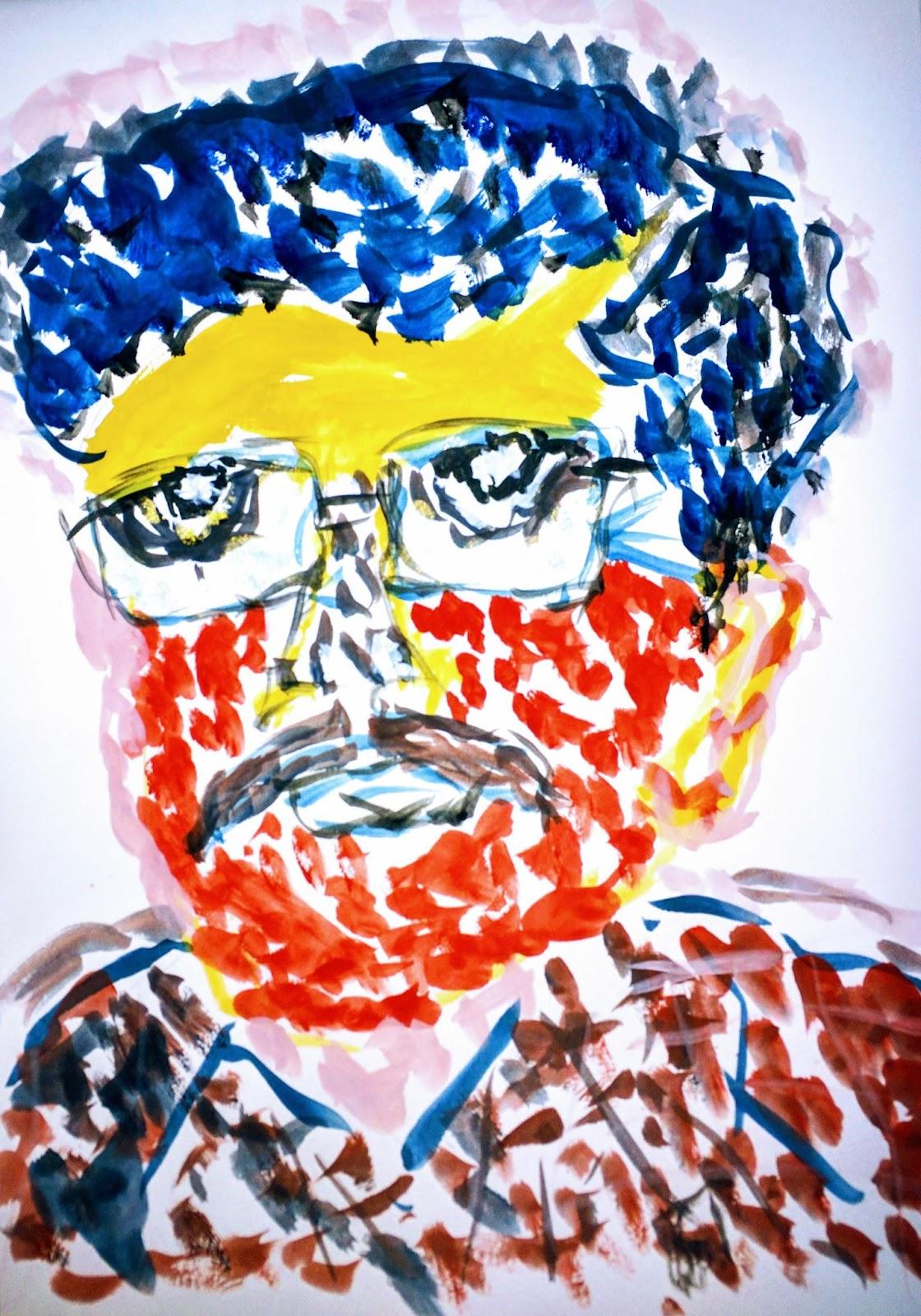
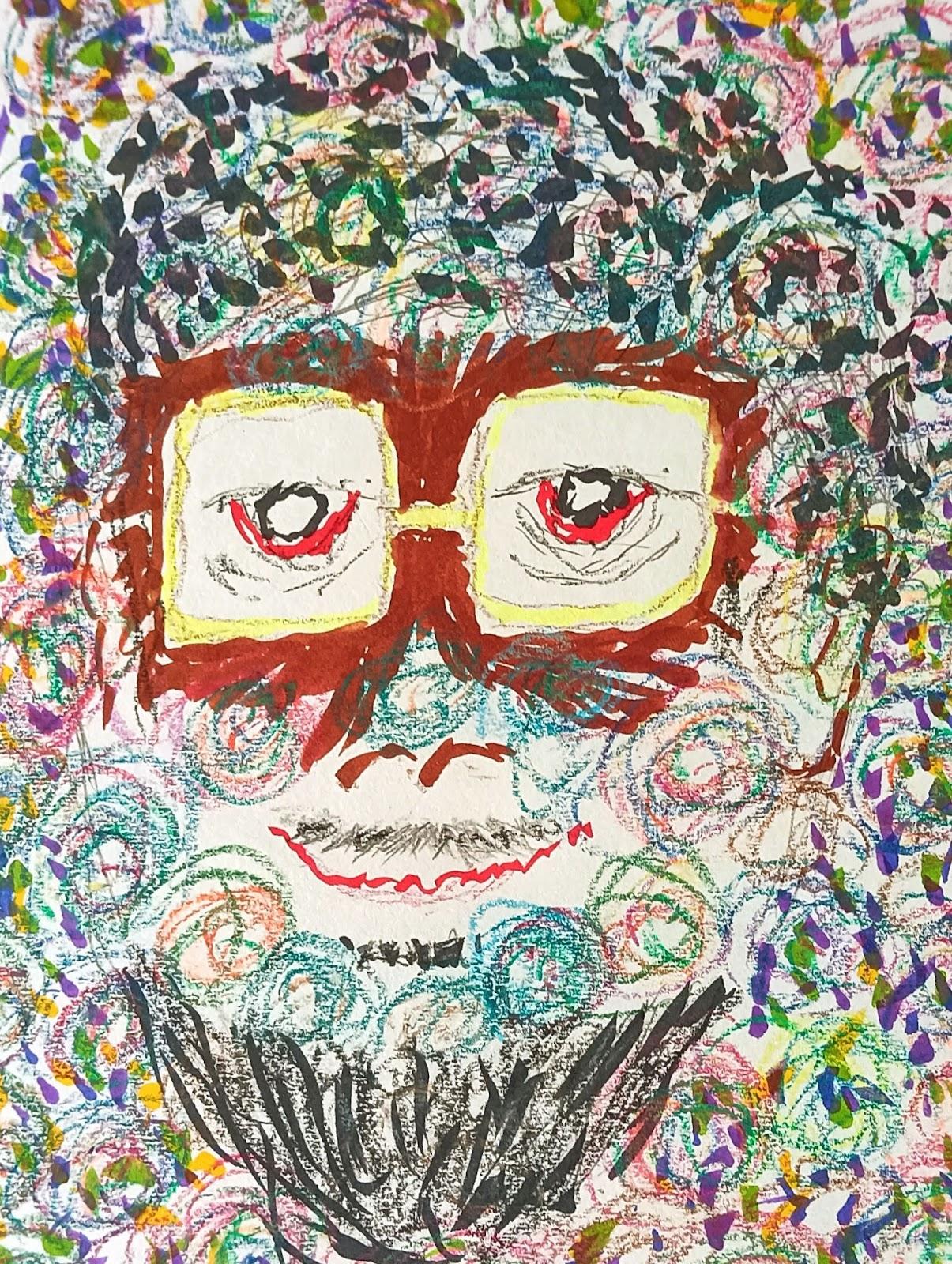
Drawn by Malay Roychoudhury

 হুঁ হুঁ, আঁকতেও পারি

অবন্তিকা
আত্মপ্রতিকৃতি