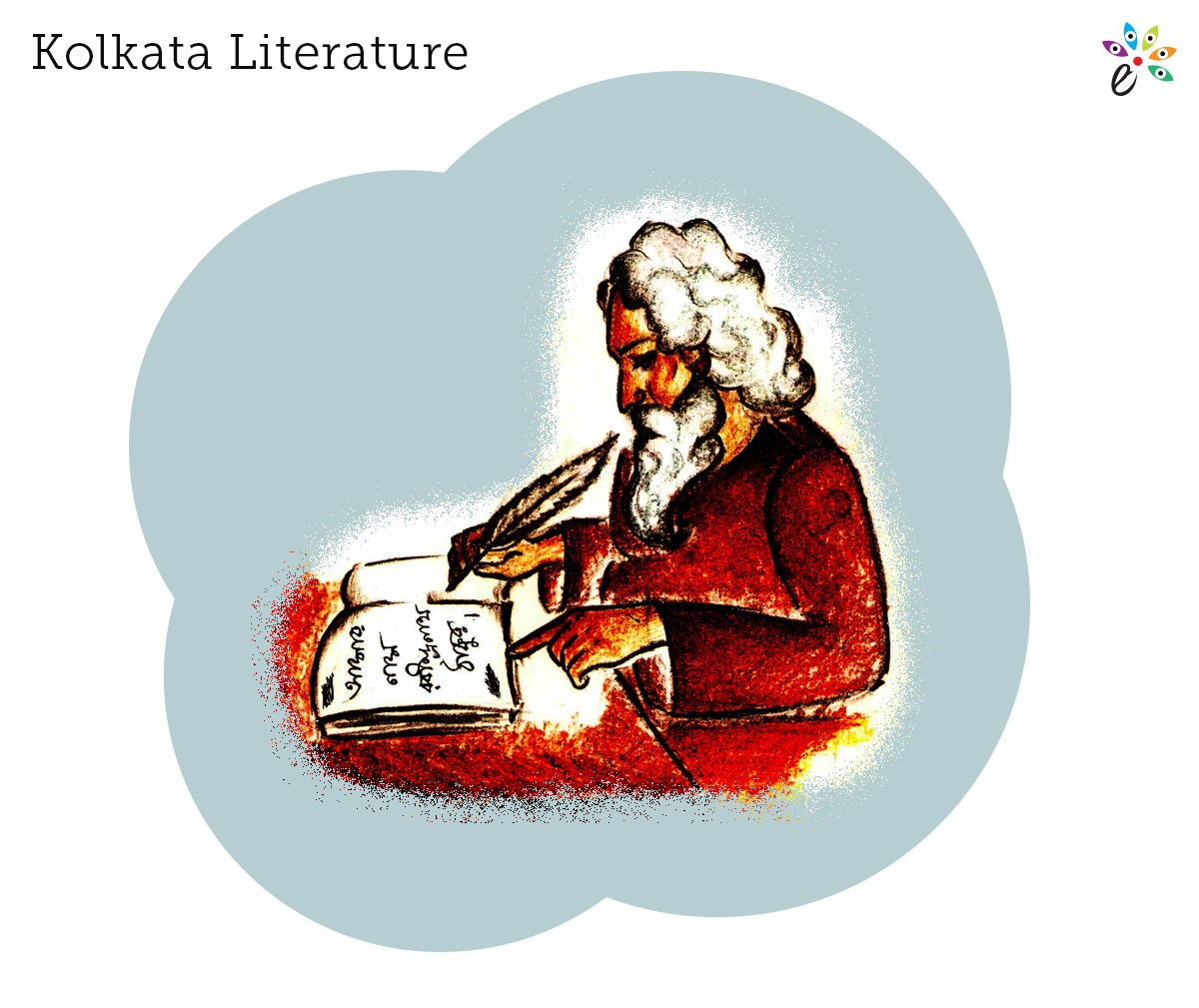
There
is a certain kind of magnetic attraction that literary figures of the
past hold over young struggling writers of today. We often look to their
work, their lives and lifestyles for inspiration, adopting their
methods and styles into our own experimentations with finding our own
writer’s voice. We look to the past movements and revolutions that have
created the literary landscape of today. Nothing seems to pull a writer
in more than the Beat generation in 1950’s America. Young, scruffy
anti-establishment writers living life on their own terms and rejecting
dominant societal rules has a kind of attraction that makes you
fantasize about travelling across cities with Jack Kerouac and Allen
Ginsberg, with the sun shining on your face – there’s definitely someone
playing the harmonica – living the ideal hippie writer’s life you’ve
imagined through romanticised notion of the Beats.
But once you
wake up to the reality of adulthood and working, these images slowly
start to change. Depending on the kind of writer you want to be you
still strive to change the world with your words, create worlds of
wonder, magic and whimsy, or even trigger entire revolutions. While we
may all not end up being these ideal selves we’re created in our minds,
there was a literary movement in India itself, our own Beat generation,
in a way, that changed the way Bengali literature was received, read and
written in the 1960’s.
The Hungryalist Movement was founded by what is referred to as the Hungryalist quartet by Dr Uttam Das in his dissertation ‘Hungry Shruti and Shastravirodhi Andolan’
– Malay Roychoudhury and his elder brother Samir Roychoudhury, Shakti
Chattopadhyay and Debi Roy, alias of Haradhon Dhara. These mavericks of
the avant-garde shook an unsuspecting Calcutta’s (as it was named at the
time) literary and cultural world and became a real force to reckon
with. Members grew in number as more and more poets and writers came
into the folds of this new generation of writers, resulting in one of
the most historically and culturally significant trials of the Indian
literary world.
Candle light photo of Malay Roychoudhury by Subimal Basak
The
Hungryalist movement picked its name from Geoffrey Chaucer’s phrase
“the sowre hungry tyme”. “When a civilisation falls, people tend to eat
every thing that comes their way,” said Malay Roychoudhury in an interview with Nayanima Basu. “Today when I look at West Bengal, the Hungryalist premonition appears prophetic.”
The
1960s was host to a generation of disaffected youth in post-partition
Bengal. They voiced their anger and sense of displacement by creating
literature that challenged the pre-existing colonial perspectives and
traditional readings of Bangla writings to make reader’s question how
Indian literature is perceived and received. As Prof. S Mudgal explains,
“The central theme of the movement was Oswald Spengler’s idea of
History, that an ailing culture feeds on cultural elements brought from
outside. These writers felt that Bengali culture had reached its zenith
and was now living on alien food.”
The Hungry generation was more
than just a group of angry young men. At the time, Bengali literature
was, for lack of a better word, limited and inaccessible for most
people. The Hungryalists wanted more – they wanted a new language, a new
literary space that was open, accessible and representative of all
Bengalis, not just limited to an elite few. “Their entire position was
extremely iconoclastic. To break whatever was held sacrosanct till then,
including the way n which they wrote poetry and the way in which they
lived their lives,” said
Ipshita Chanda, professor of Comparative Literature at Jadavpur
University, to the BBC. Their frustration was shared with not just other
poets, she explains, but with an entire generation of over-educated
people who felt they had no future.
The Hungryalist quartet grew
in number and was soon joined over the years with writings by renowned
Bengali voices such as Subimal Basak, Sunil Gangopadhyay, Saileswar
Ghose, Basudeb Dasgupta, Tridib Mitra, Subhas Ghose, Falguni Ray and
Arunesh Ghose, to name a few. These were young writers who came from
humble backgrounds and meagre means, and the political and social
climate of the time only made their voices louder.
Source: Hungryalist Photos
This
was a difficult time in the region’s history. Thousands were displaced
and forced to migrate following partition, with no money and no place to
go – no place they belonged to. There was rampant poverty, food
shortages and homelessness, but this immediate reality would never find
its way into the writings and literature of the time – into the living
rooms of the elite who lived sheltered lives in the comfort of their
homes. The Hungryalists were very aware of this reality, and carried
these people’s stories, their histories through words into the limelight
in their pamphlets/bulletins.
The movement broke all conventions
of writing – they were different in form, in content and rhythm from the
traditional, ‘elitist’ works that dominated the literary sphere. These
used language that was polite, cultured and ‘civilised’ and the
Hungryalist’s disruption came into this space with a sense of pure
anarchy. While they viewed Tagore’s language as ‘vegetarian’, their’s
focused on being streetwise and colloquial, for the people, raw and
relatable – the “language of life” that was viewed by the rest as vulgar
and obscene.
As Malay Roychoudhury explained,
they identified themselves as a part of the post-colonial period that
disconnected itself from colonial canons. They published their work
through single-sheet pamphlets that they would then distribute in coffee
houses, colleges, and offices. While their anti-establishment antics
may have carved for them a special place in the heart of Allen Ginsberg,
who the Roychoudhurys met during his trip to India
in the 60s, it definitely wasn’t for everyone, especially dominant
Bengali society. Criticising society meant a harsh critique of politics
and those in power. As Nayanima Basu writes,
“The administration’s ire towards the Hungryalists reached its peak
when the poets started a campaign to personally deliver paper masks of
jokers, monsters, gods, cartoon characters and animals to Bengali
politicians, bureaucrats, newspaper editors and other powerful people.
The slogan was, ‘Please remove your mask’.”
Source: Hungryalist Photos
Arrest
warrants for eleven of the movement’s poets were issued, and Malay
Roychoudhury, viewed as the face and leader of this bunch of
troublemakers, was arrested on September 2, 1964. His poem‘Prachanda Boidyutik Chhutar’ (translated as ‘Stark Electric Jesus’)
didn’t sit well with the good Bengali people of civilised society, and
he was charged with conspiracy against the state and literary obscenity.
The trial went on for 35 months, he explains,
during which he spent a month in jail. While many of the Hungry poets
slowly began to break away from the movement during this time – many
lost their jobs, faced regular police raids and some ventured into
different fields altogether – Malay Roychoudhury received tremendous
support from other friends and family, even from writers and poets
abroad who read of the news in a Time magazine editorial, such as Octavio Paz, Ernesto Cardenal, and Allen Ginsberg, who even wrote a letter in his support.
The
charges were subsequently dropped by the High Court of Calcutta, but in
the mean time the Hungry generation seemed to have dwindled to a
handful of people. “Some of them carried the news to Europe and I
started getting translated for the little magazines there,” said
Malay Roychoudhury. “My poems were read at New York’s St Mark’s Church
to raise funds to help me. It would have been impossible to fight the
case up to the High Court without this help. I was poor, all my friends
who were part of the movement deserted me, I lost my job with the
Reserve Bank of India during the case, my grandmother died hearing the
news of my imprisonment, and thus, I stopped writing.” But the spirit of
the movement still lives on in the hearts and works of the
Roychoudhurys and many other writers of the time, even if they separated
themselves from the group.
The Hungryalists left an indelible
impact on not just Bengali literature, but that of India. The Hungry
generation are remembered as literary heroes, however romanticised our
notions may be. These were writers that were hungry for a new voice and
found themselves in a storm of politics and bold, brave words that stood
as a declaration for a change, one that they themselves put into
motion.
Read Nayanima Basu’s interview with Malay Roychoudhury and listen to BBC’s podcast about the Hungry Generation
Stark Electric Jesus - Poem by Malay Roy Choudhury
Oh I'll die I'll die I'll die My skin is in blazing furore I do not know what I'll do where I'll go oh I am sick I'll kick all Arts in the butt and go away Shubha Shubha let me go and live in your cloaked melon In the unfastened shadow of dark destroyed saffron curtain The last anchor is leaving me after I got the other anchors lifted I can't resist anymore, a million glass panes are breaking in my cortex I know, Shubha, spread out your matrix, give me peace Each vein is carrying a stream of tears up to the heart Brain's contagious flints are decomposing out of eternal sickness other why didn't you give me birth in the form of a skeleton I'd have gone two billion light years and kissed God's ass But nothing pleases me nothing sounds well I feel nauseated with more than a single kiss I've forgotten women during copulation and returned to the Muse In to the sun-coloured bladder I do not know what these happenings are but they are occurring within me I'll destroy and shatter everything draw and elevate Shubha in to my hunger Shubha will have to be given Oh Malay Kolkata seems to be a procession of wet and slippery organs today But i do not know what I'll do now with my own self My power of recollection is withering away Let me ascend alone toward death I haven't had to learn copulation and dying I haven't had to learn the responsibility of shedding the last drops after urination Haven't had to learn to go and lie beside Shubha in the darkness Have not had to learn the usage of French leather while lying on Nandita's bosom Though I wanted the healthy spirit of Aleya's fresh China-rose matrix Yet I submitted to the refuge of my brain's cataclysm I am failing to understand why I still want to live I am thinking of my debauched Sabarna-Choudhury ancestors I'll have to do something different and new Let me sleep for the last time on a bed soft as the skin of Shubha's bosom I remember now the sharp-edged radiance of the moment I was born I want to see my own death before passing away The world had nothing to do with Malay Roychoudhury Shubha let me sleep for a few moments in your violent silvery uterus Give me peace, Shubha, let me have peace Let my sin-driven skeleton be washed anew in your seasonal bloodstream Let me create myself in your womb with my own sperm Would I have been like this if I had different parents? Was Malay alias me possible from an absolutely different sperm? Would I have been Malay in the womb of other women of my father? Would I have made a professional gentleman of me like my dead brother without Shubha? Oh, answer, let somebody answer these Shubha, ah Shubha Let me see the earth through your cellophane hymen Come back on the green mattress again As cathode rays are sucked up with the warmth of a magnet's brilliance I remember the letter of the final decision of 1956 The surroundings of your clitoris were being embellished with coon at that time Fine rib-smashing roots were descending in to your bosom Stupid relationship inflated in the bypass of senseless neglect Aaaaaaaaaaaaaaaaaaaaaaaah I do not know whether I am going to die Squandering was roaring within heart's exhaustive impatience I'll disrupt and destroy I'll split all in to pieces for the sake of Art There isn't any other way out for Poetry except suicide Shubha Let me enter in to the immemorial incontinence of your labia majora In to the absurdity of woeless effort In the golden chlorophyll of the drunken heart Why wasn't I lost in my mother's urethra? Why wasn't I driven away in my father's urine after his self-coition? Why wasn't I mixed in the ovum -flux or in the phlegm? With her eyes shut supine beneath me I felt terribly distressed when I saw comfort seize Shubha Women could be treacherous even after unfolding a helpless appearance Today it seems there is nothing so treacherous as Woman & Aet Now my ferocious heart is running towards an impossible death Vertigoes of water are coming up to my neck from the pierced earth I will die Oh what are these happenings within me I am failing to fetch out my hand and my palm From the dried sperms on my trousers spreading wings 300000 children gliding toward the district of Shubha's bosom Millions of needles are now running from my blood in to Poetry Now the smuggling of my obstinate legs are trying to plunge Into the death-killer sex-wig entangled in the hypnotic kingdom of words Fitting violent mirrors on each wall of the room I am observing After letting loose a few naked Malay, his unestablished scramblings.
Malay Roychoudhury (b. 1939 ) is a Bengali poet, best known for launching the Hungryalist movement
in the 1960s. The author of more than seventy books including novels,
poetry collections, drama, short stories, essays, he has also translated
Blake, Ginsberg, Tzara, Cocteau, Cendrars, Lorca, Mayakovsky, Rimbaud,
Rajkamal Chaudhary and many others. He has edited the literary
periodical ZEBRA and co-edited anthologies of Postmodern Bangla Poetry and Postmodern Bangla Short Stories which include writers from both India and Bangladesh. He was prosecuted for his poem Stark Electric Jesus in 1964-66. He has refused to accept a Sahitya Akademi award, which is the Government of India's highest award for literature.
This is a path-breaking literary movement that took form in Kolkata. Hungryalists comprise
of avant-garde writers who have challenged contemporary ideas in
literature and culture, making significant contributions to the
language, since the sixties. Some of the famous poets of this movement
include Binoy Majumdar, Malay Roy Choudhury, Tridib Mitra, and Falguni
Roy. Fiction writers attached to this movement include Basudeb Dasgupta,
Malay Roy Choudhuary, SandipanChattopadhyay and others.
Victoria Memorial: Is poetry regaining relevance? Not
yet, said poet-author Jeet Thayil during a talk on Day 2 of the Tata
Steel Kolkata Literary Meet, co-organised by the Victoria Memorial Hall
in association with The Telegraph, on Tuesday.
Thayil's latest book, The Book of Chocolate Saints, is a novel about poets and he has used some techniques of poetry while writing it.
The world around him may not warm up to poetry yet, but the
poet and novelist in Thayil are never at odds. "You bring the same kind
of tools and obsession to your writing, only the form is different,"
said Thayil, who inaugurated the latest edition of Kalam with a
self-composed verse, along with three other poets.
"Inaugurating a literary meet with poetry can only happen in a city like Calcutta," said the author of These Errors Are Correct, giving the city a thumbs up.
Thayil read out excerpts from his new book to the eager audience before talking to novelist Sandip Roy about its making.
Thayil had hit on the idea of a book while working on a BBC
documentary on the Hungryalist poets of Bengal, especially Malay Roy
Choudhury. "The characters literally jumped out at me," he said.
The Book of Chocolate Saints is about a poet, Newton Francis
Xavier, who is full of gloom and doom. His partner and muse, Goody Lol,
is on the other hand full of hope. "Xavier comes alive with destructive
behaviour, a truth about most people battling an addiction," said
Thayil, who said he presented his protagonist without any filter.
Xavier's character comes alive in the memories of others,
mostly artists and poets of the '70s and '80s in Mumbai. "Xavier is easy
to admire from a distance. But you won't like him till the last part of
the book," Thayil said.
The other inspiration for the book was the first chapter of Thayil's own Narcopolis.
The book about a "cruel, self-destructive" poet who like
Picasso and Ayn Rand elevated his art but led a broken life makes
fiction meet non-fiction. Some real personalities like the author's
father, journalist-writer T.J.S. George, make their way into the plot
that offers readers a taste of dark humour.
"During my journalism days I had covered the murder of a Sikh
American, Balbir Singh Sodhi of Arizona. The research that went behind
my news report now finds a place in my book," Thayil said.
Speaking about the Mumbai poets of the '70s, '80s and '90s,
Thayil said: "These poets were not a generous lot. They never welcomed
women and newcomers. I was not even allowed on the fringes."
The conversation was peppered with personal experiences, some of which have been woven into his current book.
Thrice I’ve exchanged glances with a dog with no duties
Noting at the base of every lamppost on the street
A distinctive self-contradiction I advance it can also
Be called retreating there’s no fear of being ambushed
All movements are unrestrained and using the alphabet
Words like ‘love’ and ‘death’ are utilised for sport
Every day on the beach just this instant I have put
A hand prone to criminal acts in my empty pocket
With the other I chuck the featureless chin
Of the world, saying, ‘dance little lady dance’ –
2. Sanjukta and the seventeen horsemen
I don’t know what you were doing then
A wrinkling of the nose curling of the lips then phooey?
Dismounting one by one, the seventeen galloping horsemen
Bowed their heads and turned to stone
The horses cantered haphazardly
Towards the lake
I don’t know what you were doing after that
You wound up a top and let it spin
Gathering diurnal and annual momentum it revolved around you
Sinking to their necks in the mud the horses
Stretched their necks to neigh in unison
And the helmets of the seventeen soldiers began
To fling themselves at your feet
And then
When you could not find a single unbloomed bud
In your belly, breasts or anywhere on your body
Tying themselves into a knot, your nerve-endings
Took you swiftly beyond joy and illness, to a place
Where you kept giving birth, one by one,
To seventeen horsemen, and climbing upon a dome
Touching the sky, you dried your hair with the sun on your back
And when the sunlight died you narrowed your eyes
Shielding them with your hand you began to search
For the seventeen cowards from your womb.
Shaileswar Ghosh
1. I am hungry
As soon as I put my hand on a woman’s body she turned to gold
I’m a penniless labourer I live in Port Commission Quarter No. 5
The touch of my breath split the Communist Party into two
My arms lengthened, legs shortened, organ remained unchanged
I have seen my mother in bed with a god.
My father lost all he had gambling – an insane Van Gogh
Had seen flames in the rice fields and in Tahiti’s islands
Gauguin’s dog spread syphilis – from my mouth I have pulled out
The kind of sea whose tides don’t swell, resist all attraction
Watching a boxing match on television I ran to my male friend.
I move around with you eat and drink with you sleep with you
I steal your money I buy one woman after another
When I enter a church its spire collapses, I am hungry
All the doors and windows of libraries close at my sight.
I was given hashish as payment for roasting the rotis
On the streets I hear nothing but my own footsteps
My words light up India’s nuclear furnaces instantly
When I’m really upset I exchange blows with my friends
A friend stole ten rupees I didn’t return a hundred I’d borrowed
I don’t give a damn, for I have tasted heavenly flesh
Poetry rises like the Ochterlony Monument, destroying my mind
I tell the truth when I hallucinate – I see an angel
They’re dismantled when struck by a rocket – when I’m hungry
They drag me away where my intestines fill with people’s love
One of my mates is a bastard, another a traitor, one a murderer
They escaped to our gathering without passports – another one
Broke into railway wagons to loot all the aluminium ovens
I take my girlfriend into the bathroom – I am blind in one eye
I have never seen a Rolls Royce – I like smoking by myself
And when necessary I push myself all the way to Dumdum Airport.
2. I plucked a single flower
I plucked a single flower it was enough to break my world
Every day I find my clothes ill-fitting on my body
I killed a bird whose song was meant to wake the world
I will be released after destroying every faith.
Memories of sleeping with her father figure makes a monk woman seek more darkness
The grass knows the lightning that strikes its breast is a play of power
At last I know that severing the stalk is the creator’s finest act.
When there’s celebration on the ground we’re made to fear shipwrecks from a height
Our life is to watch, mesmerised, the male character playing the eunuch
An ascetic had to lay down his life because his heart had overflown with love
All the flowers that blossom from my deed are witches used to worship you.
I open my eyes to see the swan writhing in pain from the embedded arrow
When I nurse it back to life the hunter wants half of what I’ve saved
Peace descends only at those moments when gold and iron cost the same.
When I pluck the flower I’m a terrorist - I have offered my senses to the world
On the last train I heard the professional whore’s enchanting singing with the thieves
All weapons are off on pilgrimage now – murderers have located their personal sorrows
The gods we have come to adore change their positions every day
Satan coils himself around a young girl like a serpent to drink from her breasts
The form in which I saw my mother from the womb burns bright in my memory
Life demands to know from life, are all forms of violence your children?
I plucked a single flower it was enough to break my world
A single tear falls on my face from space – I only gaze upwards
All the streams flowing from my body have gathered in a river
Many kicks await you still if the scars from the shackles remain
The moment terror was born, the world split into two, proponents and opponents
When the deluge begins every exponent of life seeks safe sanctuary.
Thrust your son into the wedding bedroom, father, stand guard with your stick
Over the iron bedroom, tonight he will be born and die soon after
The shortcut to heaven passes through hell.
I plucked a single flower it was enough to break my world
A droplet of light lay down its life to reveal the image of my darkness
Obscenity and Desecration: Practices of Dissent in the Bengali Hungry Generation movement of 1960s Daniela Cappello (M.A.)
My project focuses on practices of obscenity in the Bengali
anti-establishment literature of the 1960s, most notably on the Hungry
Generation Movement (1961-1965). Assuming that the “aesthetics of
obscenity” was seen as a form of political resistance by many
anti-establishment writers and artists of Western counter-cultures, this
study aims at showing how some practices of dissent were used in
post-Independence Bengali literary culture to shape an alternative
identity for the Bengali urban intellectual. Moreover, this very debate
on obscenity and ensuing censorship made space for a wider discussion on
freedom of speech which filled political newspapers and reviews
throughout India. Despite the alleged “indigeneity” of the movement’s
background, the study wants to show how the Hungryalists actually
“filtered” through their writings some of the most typical practices of
Western counter-cultures, as was the case for obscenity, in order to
break with the Bengali cultural establishment.
The study will focus on the Bengali Hungry Generation movement by
investigating its “little magazines” and other kinds of small
publications (i.e. bulletin, leaflets, anthologies) which were seen as
an alternative cultural practice intended to reshape the Calcutta
postcolonial literary space. These little publications represented in
fact the only press promoting new literature and socio-political protest
whereas the big publishing industry remained silent due to government
censorship. The Hungryalist movement exemplifies the wave of postmodern
experimental writings of the 1960s – which was widespread in little
magazines – attempting to subvert the urban (Calcutta) cultural
establishment that was still imbued with colonial influences. Despite
the trial that sentenced the authors to jail for obscenity in their
poetry, the movement had a great impact on the shaping of literary
counter-cultures in Bengal. The research therefore raises questions
about the much debated search for a postcolonial cultural identity which
constantly evolved throughout the decades after the Independence of
India. Following this assumption and using written, oral and visual
sources, I intend to explore this subversive literary culture of post-colonial Independent India.
I am devoid of genius
that is why I can touch my nose with my tongue
and prove that I am really a genius
Sometimes while walking in front of
Manik Bandyopadhyay's house I brood
about the street on which he once walked
I am also on the same road, but worthless, Falguni Ray
walking, sometimes I travel
in second class in trams and I
imagine this was the tram that overran and crushed
the body of Jibanananda Das
This is the way I travel--
earth sun stars accompany me
Bakul, I envy you only, how easily
you sink into her excited hair bright
no proverbs in your past, shadow, peace,
worms of buds
my endless blood falls among fire communites
because at the end of reaping such huge hay
man has never carried, I too never have seen
such wealth in any hair.
chaitre rachita kabita 3
2.
The boats, lying on the solitary sands know you
all the days in their shades you sing of soul crops
sometimes have got into waves, into the blaue and bathing,
a thin smoke from your meagre meals
Sands not so hot as my uphappiness was.
I’m not dying for hunger, love and thirst
being in a grove of palms, something
more to be narrated,
another phase started before that
with the camels’ harness bells and the horizontal riches
they move continuously to the east along the brink of water
an endlessness and helpless net flots
in my eyes, in a magic way of
masculinity and feminity.
The light of anger washes the broken shord
and brings a topsy turvy day to any thing
favourable or not favourable
chaitre rachita kabita 7
3.
The twilight sun sets behind the yamuna bridge.
The night-train has just passed. On the far corner of
a field of oilseeds, a sand-beach, hill-tops
all sound like a sad tune of the river bank.
Is the river then one of tears?
In the ether, in the sky the foreign boat
moves to the last light with the insect-call
as if the river yamuna ends in some horizon where
countless boats float in the flow having no
current, no water. From one forgotten bank
to another, to the farthest brink. You, the sad tune
drives your boat eternally.
chaitre rachita kabita 8
4.
Peacock, perhaps you have been born in some twilight
And at the time of beginning of your first game
with your new wing’s opening under the clouds
I have seen you first, dear bird in that moment of eternity.
Having embarked such a distance, to profound silene
I have come to see your swift race, as if terrified you have called
us towards silence - the dark pine forest,
its complex being.
Then, at the forest’s brink, to the naked sight of youth
your talent appeared to be a lightning, It seemed new,
the newest creativity, thus gradually merges into eternity.
Take me back to seas, my being back to the tumultous waves.
I have seen its roaring break-up over stones of the end less earth,
the thuding waves take out boards and oars of the drawning ship.
Yet at the storm’s end, the day’s end in the dard forest
the terrified call is heard under the rain-clouds.
Perhaps in silence you have unfolded
your star-decked wings. Have you got any message?
chaitre rachita kabita 10
Puri Series
1.
Raise your hands from distance. Consent if possible
otherwise signs prove futile. Night trains move away
keeping us half-awake. Is a continuous journey hard?
Sparks from iron-buds fall even to-day
on long, echoing station. On the doors, on excited nests
broken hands, spoiled eyes, remember the accident
I’m walking on crutches, liberationless, and old
man’s play of wealth None our proposals are agreed.
Puri Series 3
3.
Look, these sea-beaches have been used time and again.
Smooth iron cages have been harsh for nothing, look.
Once the cage was mode tasionable than the cacatoo
Ambiguous, Roygunkar, the poet was very talkative.
One took him to be ultramodern and on the beach
each house seems to be worthdwelling.
No more the children play with sands on this ivory beach
They have grown up. They don’t expect anything from their children.
White worms eat up arithmatic pages. Still things
thrown into the sea return-sea’s unreasonable prestige, these things.
Puri Series 4
White Horse
White horse, I’ve come to understand from your mane’s
white pigeons, health, milk and the sun’s hatch to felt
But I’ couldn’t understand how men, there arms amputed
go away with huge cargo, embarking, gradually to sunlessness
to the west, to the sliding. Parentless war-torn content nose
the hince pammer to build only religion. A hue and cry.
Strange wind-will it away the date-palm leaves?
The blue tents swelling, alas, buyers, along the cats
the dead horses bowells swell on, the hungry hands.
Sada Goda
Indigo House
1.
Some horses are no more today
and the riders themselves are not relevent
so grass return and grass is born
in the autumnal season
we feel tired.
2.
In the bush of berries I find an immortal
friendless cub’s loitering, in the tiger’s yellow
stripes. I only see in the old bush of berries
a procession of human beings. That bush of berries
is no more safe.
Sewing Machine
1.
I don’t have any count how often you scolded
me in dreams,
I was in deams - waking in spring’s world
alas, in that spring water
a gramaphone works - a low sewing machine moves
I think all day long
how many a time you scolded me
dreams end times, very little left,
I move a small piece of writing
along a few springs
2.
This spring I may get a sewing machine
in a top branch of sky
I make a mistake - the deer explains that
half - lit nights and days to be put out.
Sitting in labyrinths in famous rustling of petals.
You may be a king, a godess, wise or recently
you have sunk
shadow-lit wings days in deer-shed
dependes on cook. His name...
Dedication to a Day of small Diversity
While diving into water I see those fish, names
of which I don’t know- but know that you have
left our country for long. Leaves fall on
water, fish floating on them a flag
flying that in silence and in your absence.
Khandabaichityer din er Utsargapatra
A Day of Small Diversity
That
greenness may break up - so the mythical crane flying with a piece of
crystalmeat, veins scattered over the paddy field as if webs, downs
tie up the crop’s green ness, its vacuum, its tarror, its oozing blood
that gift, today’s birthday at the age of fifty.
Khandacaichitryer din
Orchid
Orchid an easy flower-but its complexities
too needed in wind, in air. In air. In winter cold
I find them flowering in sarcasm.
We are disciplined, truck’s bricked path
distant canteen, some ordinary pines
no fraudery in these habildar tents
comes, is that no good news?
Only orchids mutilated faces float,
The matter to be looked in another way.
Archid
Works on Silk-carpet
1.
bright pillows and cloud covered quilt
darkcarpets, silver insense sticks
burning, stone cheaps brought from kota
red bricks form Bhopal, in the low land
the triangle-shaped house yet to be complete,
neem trees and thickets of pomegranates,
charming cool of fig-leaves, when it to be completed
tearless joys and sorrows seen to be the reply...
Salma-jarir Kaj 3
2.
a flying ox, an elephant’s lion countenance
a child skeleton, fire in seas
fruitful fish, clothing crane,
loving crops, desert boat,
thirst-temple lonely from it birth
visible at a distance, let us stretch
our palms, worked out palms and ask:
give some water,
- a roar of laughter for this...
salmajarir kaj 4
3.
My friend, on keeping my palms in yours I come
to feel you to be in a cripping amount of debts,
your son a wayward one and the daughter
always gets late in returning at night, relieve
of your secrets you have, speak of your
storm speaking wife, of your cheating collegues,
of your insomnia, and if you must weep,
keep your head on this shoulder and weep, my firend
salmajarir kaj 7
5.
Here I -
half-mad, thunder-struck,
I, another hare- bodied
say to some one naked:
Is love a fool?
I take down physical wormth, a female gardener
lying in this garden of flowers,
I wirte grass
having abundwnce
and the insects,
those in habit of lies, and
mortality to be of thunder-beauty
salmajarir kaj 9
6.
The
habit of thinking is lost. So recently I have chats with birds and
beasts. I sing. They listen. Not days ago, the eagle said, “your music
practice is better than that of a cuckoo. Perhaps artificial praise,
sycophancy, but why for me? The jackle doesn’t feel music, such
dedication, he too says, ‘Now it’s about four in the afternoon, take
some curds with sugar candy.’
salmajarir kaj 12
7.
This
body is no beauty, the mind decorates it in prosperity, with
sandal-riches and watery foams of soup, wounds treated with ointment,
ice-cakes bought in reference to black-spots, the mind loves the body
likewise, some stories of his licentionsness are kept silent, some
secrecy, we do know now where he strolled on last 21st April’s night,
the mind pretends to be a dullard as if indifferent to others affairs as
the murder witnessing neighbours, the body understand entirely, it
teases and starts singing with its hands raised - my mind, O non-chalant
mind of mine
salmajarir kaj 13
8
On breathing
trouble I understand the Fuldongri-hill not to be far away, if not why
am I gasping? why it not to be cured by any medicine? I don’t know what
things, I know find, reaching the hill top.
The stone-slab which we wrote our names on
has perhaps tumbled down,
The water-flow which I jumped over has ment
for redirecting to the crop-field. If so, I not find out it,
I think thus and the hospital-bed gets filled with dry branches, torn paper-bits and abandoned sloughs.
Who will remove these debris? Will I manage to get time?
I have almost reached the Fuldungrihill.
Cheparam’s house
is visible from here. Let me walk
a bit faster towards the hill.
salmajarir Kaj 14
9.
A
swirling green snake crawls among those of you who are born as pumpkin
leaves. My terrified cry has resulted in a crowd. They have rushed here
to kill the snake with bricks and sticks. I point to the crawling snake.
Look, it hides there, lifts it hood again, now I start explaining it to
the school children, it is a green snake, how cleverly concealed,
matching with Nature’s colours, a nature mystery. But every body,
present there, starts smiling, pooh! where leaves, whose snakes, those
are members of Gopal’s family, there Sarada returning from market,
Janardan Babu has gone out for a walk with his pet...
Strange! Another blunder...
Salmajair kaj 16
10
Music is supposed to preceed the twine
birth of truth and falsehood.
Before their being fashionable youths,
before learning to comb, long before
giving clarion call to the near by tent’s
girl, i.e. a long colours bearing history
at intervals of battle and blood-shedding
they certainly gave a side night
to this small pump-set,
in midday sun the machine adjacent to the garden house
would croon a song - and over its shade
countless colourless write karabi-flowers would
fall down thick...
salmajarir kaj 17
Dance of Kahavati
1.
The
sands of the river named Tamasa, its bank I have been seated on
intends to explain diference between me and its water - its waves wish
to convince me that I’m no tree, the youth from some slum, drinking
behind the trees intends to reveal that I have dropped from the clouds,
just now, to the wonder of his eyes.
May be then let me wait with my folded wings in the darkening morning of rains. With the sunlight I’ll take off.
kahavatir nach 2
2.
With
my hands raised higher I cry, ‘Lord you must give it to me.’ People
derive pleasure and say, ‘your cajolement has no limit and let us see
your trick again.’ I repeat it, only here and there I add a few
breathing spaces more as ‘came I to this world’ or ‘cruel you’, these
insignificant songs, you too can sing; people laugh. Is there anything
more important than this?
Countless crickets fall thick in the
forest in the scorching heat of the sun, speech less and dying, some of
them burn with blue flames, their bodies.
kahavatir nach 3
3.
If
I return here, I will return to be blue. I’ll try to articulate
something as light as the blue of the bare sky after rains - such
hesitation free articulation which if not understood will make none’s
liverhood difficult. None can say, ‘You are not understood at all’.
Then
you too please come to be white-colour, to drip into our consciousness
as hard spun non-violence of cotton - the white that demands ‘Make me
bullet-shot, blood-smeared, give me liberty’.
kahavatir nach 7
4.
Inertia
settles down, sage, let us call our sister and brother. Let the reading
table be there that I reach at it that I can swiftly write this day’s
internal haemarage how ears taken the song, coming from leafless void
what thought come to him, this body paralysed? Who has sent these torn
jerssey, half pit left photo’s died garland, and whom these exercise
collected? How have they returned? All mistakes remained alike. Why none
corrected?
kahavatir nach 8
5.
When wax being
rubbed on paper, a picture distinct in the cloud covered midday, rains
in chalta forest I see bride daughter plunged into a silmy pond. Slims
cover the cricle. Is she lookin for lost utensils or to wake up to the
next bank? None knows. At least not I. Wax and paper hill decide the
girl’s fate.
kahavatir nach 18
6.
Have you seen
any flowerboat? I’m yet to visualise it, which I read only in books
Rather I boolishly took a boat full of melons for the pleasure boat of
Kangali, the ordinany for It was to take us all to the bathing place for
doing marriage-rituals beside the river. First I’ll board at, smart
with garlands in hands make my self seat at some distance
While
thinking from the soil to the blue I come to discover that it board came
to be full of burning flowers and burning leaves. The guills are
burning. Then house bodes are there?
kahavatir nach 19
Night School
1.
But I alas! Preparing to write about nostalgia. Recent memeries seen to
be inseribed rocles that will not be value washed in course of time Its
alphabets will be readable after the cooected for is subbed off.
Someone at last will decipher. Today or tomorrow. But from third day
outards, the sport will be under the contorl of distant memories. “Forty
two years ago”, on the other day Gauesh Nandi told me placing his hand
on my soulders, “you had visited our Purua cinemer branch to open an
account your first month’s pay cheque. Rupees three hundres twenty one
and seventy pease. Number C two four nine seven sevings. D’ you
recollect sir? ” I get startted. No, nothing comes to memory. Those
memories are alphabets euggoved on rocks. Perhaps on hiltop covered in
bushes. Cattle graze. One day any Mr. Rakhaldas, climbing up from my
side, will certainly decipher the complete tast in a span of one noon’s
sushinne. Today my confusion of Howrah station vicinty will be
Gaueshbabu’s (after retirement, in chandan Nagar, an the very bank of
Ganges, small two storied house roof laying is yet to be ene why den
you visit oneday cause of extreme satisfaction, ‘That about your music
lesson, he moves a bit further in meaning entertainment. No no, you used
to engage yourself in writing as well my younger brother in law also
had that had bodied know tarashankabalis sen in law once it so happened.
I, preperaed a leap, ascended the rightnow jetty auchored book
Babughat ferry is on that side.
night school
2.
I
had trade of glass, the canopy which I have made of broken mirror
covered with a cloth is now today fling in the sky, in the soft breeze,
the evening settles down on its body, I as if feld the shadow of leo
the face of shibnath shstri, the Eden garden in that tarpausin rolling
un employed trade science Tapan’s sister in law’s sovy my trade
deprtment likes to by such mismatched.
night school
9.
Ther has come a strange ove which says: I am running from Roy’s house. It adds: Not alone a few more persons are with me.
Water-
flow, plastic mugs and tubs come running with wood-pieces,
burthbamboos, it seems a few human bodies too feoating half burned as if
dead
Is then the five of that house still burning today?
night school
Tusu, My Considerate Girl
1.
It cann’t be likewise.
Either be fully mad or die.
This field is meant for sale of men,
Here cotton and women get to balance together
Here snakes and scorpions wait together for customers.
This house lonely, this body a broken market
Only death would not do? An experiditure
for last rites follows.
tusu amar chintamoni 3
2.
Myrabalan: I look at the fruit with endless worder
doze in the eyes, fallen on the ground, the lamp
lighting noon, those who came returned,
the high branch of the pepul tree treambling
in the wind, but alas, the lamp which burns
useless at this moment...
a myrabalan to some extent, left, it
may be extinguished, the prayer of the last
winter suceeded in, Rukshini’s dumb
boy now a days speak fluently.
tusu amar chintamoni 5
3.
No water-meeting here No lake
The more you walk the more the tower of pride
The more you come out of you, the more you find
the mine of rejected metals,
riverless bridge and dead wells.
Walk miles and mileds along the way of joy.
Have you heard of a mad girl at Basudevpur?
Perhaps still there,
be sure to visit here. Give her some water and guava.
Much more water...
tusu amar chintamoni 8
4.
That endearing, covered with garlands and
trigs, see if none sit now on that seat,
something more to be done- We are to go
to some distant land, to the junle, to willside
my travell-path is lit with sight-I
am dharmadus, the resisiowl minded- I’ll find
sal-leaves, basuetfull of bamboo leaks, and mouse soils...
tusu amar chintamoni 9
5.
You
who are reading this piece and will leave after a white will lthink
that some body gone with the doors left open, why no nuss. flowers
fallen, you, a maniac think if you yourself have left the door open
broken box shattered think the gas over lighted.
tusu amar chintamoni 11
6.
I do like to enter the stomach of tjhat old great gird
as it food, like corns or as insects, but with
my own complete consciousness, living sense and
intellect, perhaps to see the universe
And after returning from it inside I like
to recount properly the fearful tale of travelling
to the meditating saints in the forests
in the fall of darkness...
tusu amar chintamoni 14
7.
Continuons lying on this bed of grasses.
No tree-stone-count of duration of my sleep
perhaps there’s disurbances of bears and tigers.
No chanse for me to be afraid with me I have
bells of bear-dance. They will come to use
Will be not dance? And a fire-ing for tigers!
It will surely want to jump through the burning
ring - to and fro.
tusu amar chintamoni 18
8.
No moon struck to another moon - a feather
A bird was moving form the east to the west.
such accident on the way.
I myself didnot see it. On the first floor in
the tax-collecing office Road, on the? ? ? room, I was
sleeping in the room with windows closed. At
The last phase of night the collector inforned me
the breathed his last, it is long.
tusu amar chintamoni 19
9.
A small piece of veranda existing between
sleep and monipur. Milk and tea leaves
are here. Will some body put the kettle on?
sound of boiling water will rowse me,
the people’s chorus -
Paper boats come floating to this director.
Today is the death - anniversany of a great man.
tusu amar chintamoni 20
10.
While going to buy a match-obx I saw the sky
covered with red clouds, Those dexereties of
old days, restless, open-winged-flying in the sky.
Though all of them are visible, some of them are
not such distinct. In that the countenanle of
Anu, of satyen, of Debu leushari, his hand amputed
Is that Banani whose younger brother shouts
Fly away, the police on raid on the high road
tusu amar chintamoni 21
A Writing on Cover
That day I stored water in an earthenpot
with a cover, near the window-but the to
the earth’s motion the worldly restlessness touch
it-excite it-pulls it to the west, to the
wintry night-winter-chilled that water,
life -like, it rolls on the floor when the pot broken
- as if waves - as if a dat of thedead -
it means sudden summer has returned.
Fish Fighting
1.
I sit silently near the empty bottle.
It seems the cats mewing here and there.
I have red parts of the hand bill of jalim lotion.
Morning dailies are yet to come.
Family women have manaze to get
a few rupees as a mock payment of
doing-up his bed.
The new son-in-law laughs pleasure.
The son is the Ketu’s place.
The fish has moved to the fronts.
meen yudha 1
2.
I will wake up in the orchard of apples and grapes.
I will ask each and everyone.
Why will it bring victory only to truth, not to false hood?
It is impossible to get reply to such question in the affirmative.
Its seems so. Some one seems standing on the door steps.
I remove the latch. The local peon looks for me.
He says: a registry for you from Nurpur, at wrong address,
so this unnecessary delay, where do you roam
all day long?
meen yudha 2
At Baksigunj on the River Padma
1.
You have kept coloured leaves, words in colours
sound of snake movement.
The sun above the head, blue, each asks
the lost child about its home, name,
whereabouts its parents, their own country,
it does not know who has taken it here-
it can remember only the noise of snake movement
since birth. It can remember this little.
colourful, it does not forget even that
The rest is irrelevent, dark and fallen from tradition.
baksignje padma pare 1
2.
A floating day of light clouds,
as if love, as if a document
I have folded the net of thoughts.
The web of sight gets dry in the sun.
Why have the singers not yet arrived?
This life meant for wounds, for glands of blood
Give me some time, a few minutes more.
For long I have not got down to seas.
baksignje padma pare 3
3.
Now I don’t have any responsibility, except
to move to seas and forests with my note book.
I have no assignment except counting waves.
Silence reigns.
Water gradually evaporates, the perplexed law
of Nature. Winter returns. Locks of hair
open and fly in the wind, as if it’s evening
as if silence.
Heard that people like birds them selves
fly in the nooks of fields, jump from the air.
Even they climb trees and peck fruit.
My savings are this beach, assuring huge book,
this understanding
baksignje padma pare 4
4.
Listen, my daughter to this arabian tale
of both travell and luxuries.
A son of grass and penance in the Nile basin.
This worldly life, an earthen geometry,
has lost direction in stormy rains-floating
ghost stone in canal.
The more I look up words, down words and breathe in
the more the distance grows, anger and geographical tevror,
distance of a few mile seem to be
that between the planets.
I add: I’ve come to teeach songs and fables
of morality and immorality in the crop markets,
the new way of slaughtering.
Someone has concealed the setting sun,
they have made the skin trunsparent in fire;
now a new music instrument -
of another province musical
a musiic-flow of mountain side.
baksignje padma pare 5
5.
Who will wake up is the songs of dawn?
Helpless I implore - O the beautiful find some remedy.
The time table of the frontier rail is leaf-fringed
I thought of going some where. I note it down.
Images, new art, look at the flying vulthres above
the day ends in the departing sun light.
baksignje padma pare 7
6.
Turbulent water. I’ve been standing by it
I’ve asket, “Only I know the secret of pacitying you
none any more.”
Water has got calm. It knows me.
I’m Raju, a boy from kash-bush, working in hostel.
I comply with orders. I talk a bit much.
baksignje padma pare 8
7.
Just after death I met a green hibiscus.
‘Do you remember me, blooming by Ramani babu’s
rail quarter? ’ A strange looking
manolia asked, “You must recognise me,
I bloomed at the foothill, slightly fragrant”.
Then the sagoon-bunch aked with a mild smile
I am no true follower, yet I know that you
haven’t forgot me? Then after the session
of questions and answers, if successful
you will get a degree with papers
caligraphical letters on it tell that
he is truely dead; at the end the
labyrinth of government inopector’s
signature with impressions of seal.
baksignje padma pare 10
8.
Rain-filled clouds emerge out of blood sea
Rains fall. Rains evaporate.
They say, “We know you, the brother of
fire and soil.
As we are. But it is residetral
suffering from incureable disease.”
I wanted to know- what’s remedy for me?
-‘Carry this talisman’. They tie to
my arm such as a string whose content
? ? ? ? ? ? ? ? ? ? : O fearful, O desert,
you continue to be? ? ? , honnoured.
people leave seat to you, ask you to join
in the dinner party, you continue to stay
procreate like ugly creatures attached
to environment
baksignje padma pare 14
9.
I move to the direction which you startled algae direct.
I get clashed with fish in water,
quickly I come to shore
Algae indicates the direction of current,
the damages of men boat-carried
Sleep, sleep my son; the halessman sings
I, a hydrophobic one, ghost live in water
ghost-fish, I bow to it from sank, a bamboo,
this consideration.
baksignje padma pare 18
10.
Standing at the end of a long summer day
I’m thinking to cross the frontier camp.
Is there anything which not diven to me by others
shirt, shoes, card-packet,
a bunch of false tickets
even the ticket collector’s black coat, though old
empty plastic bottle thrown into the pond of water
spotted with palm trees around.
Standing at the end of a long summer day
I like songs coming from distance,
not that from proximity.
What left by others, useless,
whom corelessness glorifies,
I under their shadows lie, breathe in
sometimes I move to some distant land
but that is temporary transportation
The most important
poet of the 60s is Malay Roychowdhury . He started the world-famous
Hungry Movement in Bengali poetry and literature . The Movement was
initially spearheaded by Roy Choudhury, Samir Roychoudhury (his elder
brother), Shakti Chattopadhyay, and Haradhon Dhara (alias Debi Roy).
Thirty more poets and artists subsequently joined them, the best-known
being Binoy Majumdar, "Utpal Kumar Basu, Falguni Ray, Subimal Basak,
Tridib Mitra, Shambhu Rakshit, and Anil Karanjai. Roy Choudhury is to
the "Hungryalist Movement" as Stéphane Mallarmé was to Symbolism, Ezra
Pound to Imagism, André Breton to Surrealism, and Allen Ginsberg to the
Beats.
The movement is now known in English as Hungryalism or the
"Hungry generation", its name being derived from Geoffrey Chaucer's "In
the sowre hungry tyme"; the philosophy was based on Oswald Spengler's
"The Decline of the West". The movement's bulletins were published both
in Bengali and infrequently in English as well as Hindi Language by Roy
Choudhury since November 1961.
The movement, however, ended in 1965. Thereafter Roy
Choudhury ventured out, apart from poetry, into fiction, drama, and
essays on social and cultural issues that Bengali people have been
suffering from. Howard McCord, formerly English teacher at the
Washington State University and later professor of English language and
literature at Bowling Green University, who met Roy Choudhury during a
visit to Calcutta, has succinctly traced Malay's emergence in these
words in Ferlinghetti-edited City Lights Journal 3: "Malay Roy
Choudhury, a Bengali poet, has been a central figure in the Hungry
Generation's attack on the Indian cultural establishment since the
movement began in the early 1960s". He wrote, "acid, destructive,
morbid, nihilistic, outrageous, mad, hallucinatory, shrill--these
characterise the terrifying and cleansing visions" of Malay Roy
Choudhury that "Indian literature must endure if it is to be vital
again".
সময়ের সঙ্গে তাল দিয়ে নিজের ন্যারেটিভকে মেলাতে পারেন এমন ঔপন্যাসিক বাংলা ভাষায় হাতে গোনা যায় । এমনই একজন ঔপন্যাসিক মলয় রায়চৌধুরী । তাঁর ' ডুবজলে যেটুকু প্রশ্বাস' সিরিজের সব কয়টি উপন্যাসে বর্তমান সময়ের যৌনতাকে ধরার প্রয়াস করেছেন মলয় । জয়িতা ভট্টাচার্যকে দেয়া একটি সাক্ষাৎকারে তিনি বলেছেন যে 'ডুবজলে' থেকে 'প্রাকার পরিখা', এই পাঁচটি উপন্যাস মূলত একটিই উপন্যাস । যেহেতু লিটল ম্যাগাজিনে স্হান সংকুলান হয় না, সেহেতু তিনি উপন্যাসটিকে পাঁচটি অংশে ভেঙে লিখেছেন । 'ডুবজলে'র পর 'জলাঞ্জলি', 'নামগন্ধ', 'ঔরস' এবং 'প্রাকার পরিখা' । পাঁচটি উপন্যাসে ছড়ানো দীর্ঘ ন্যারেটিভে কোনো কেন্দ্রিয় চরিত্র বা প্রট্যাগনিস্ট নেই, নায়ক-নায়িকা নামক যৌনক্ষমতার দ্বৈত-বিভাজন নেই । ডুবজলে উপন্যাসে অতনু চক্রবর্তী তার অফিসের একটি বয়স্কা বিবাহিতা মহিলার সংস্পর্শে আসে, যার উদ্বৃত্ত পাপ্ম করা দুধ সে খেয়ে ফ্যালে, মহিলাটির প্রতি মাতৃত্বের বোধের কারণে ; পরে ঔরস এবং প্রাকার পরিখায় আমরা পাই অন্যের বিবাহিতা স্ত্রীর সঙ্গে জঙ্গলে মাওবাদীদের মাঝে তারা দুজনে যৌন সম্পর্কে পাতিয়ে মহিলার স্বামীর উপস্হিতিতে জীবন কাটায় । এই অতনু চক্রবর্তী ব্যাঙ্কনোট নিয়ে মিজোরামে স্টেট ব্যাঙ্কে দিতে যায় এবং সেখানে বেশ কয়েক মাস দুইটি মিজো বোনের সঙ্গে যৌনতার সম্পর্ক গড়ে তোলে, মেয়ে দুটি একটি গোপন অতিথিশালায় যৌনকর্মী হিসাবে রোজগার করে । অতনু প্রতিরাতে দুই বোন, জুলি ও জুডিকে দুই পাশে নিয়ে শোয় এবং তাদের সঙ্গে সঙ্গম করে । মিজোরামে যাবার পূর্বে অতনু চক্রবর্তী ভার্জিন তরুণ ছিল । মিজোরাম থেকে ফিরে এসে অতনু চক্রবর্তী তার অফিসের একদল কর্মীর যৌনজুয়ায় যোগ দেয় । এই জুয়ার জন্য অংশগ্রহণকারীরা টাকা দেয় এবং নালান্দার ধ্বাংসাবশেষে গিয়ে শেফালি নামে একটি অত্যন্ত কালো তরুণীকে খুঁজে বের করার খেলায় মাতে । অতনু শেফালিকে পায় না কিন্তু তরুণীটির প্রতি আকৃষ্ট হয় । পরবর্তী খেলা হয় শোনপুর মেলায়, জনৈক রাজপুত ট্রেড ইউনিয়ন নেতার স্ত্রীকে এই খেলার টোপ করা হয় কিন্তু অতনি জিততে পারে না, তার একজন সহকর্মী জেতে এবং নৌকায় ফুলশয্যার সময়ে সেই কর্মী, যে বউটিকে জিতেছে, সে গঙ্গায় ঝাঁপ দিয়ে আত্মহত্যা করে । যৌনতার এই জুয়াখেলা মলয় রায়চৌধুরীর পূর্বে অন্য কোনো বাংলা উপন্যাসে আমরা পাই নাই । জলঞ্জলি উপন্যাসে একটি তরুণী অফিসার তার অধস্তন অফিসারের সঙ্গে উত্তরবিহারে ট্যুরে যায় । সেখানে হোটেলের সুবিধা না থাকায় তারা দুজনে এক মারোয়াড়ি ব্যাবসাদারের গেস্টহাউসে দুটি পৃথক ঘর পায় । যুবকটির ঘরের পেছন দিকে একটি পাকানো সিঁড়ি ছিল । সেই সিঁড়ি দিয়ে একদিন রাতে মারোয়াড়ি বাড়ির নিঃসন্তান বউ যুবকটির ঘরে ঢুকে তার লেপের তলায় শুয়ে পড়ে । তাদের যৌনসম্পর্কে প্রতিরাতে নিয়মিত হয়ে ওঠে । যুবকটি মারোয়াড়ি বউটির প্রেমে পড়ে কিন্তু বউটি অন্তঃসত্বা হবার পর যুবকটিকে জানিয়ে দেয় যে তার উদ্দেশ্যপূরণ হয়ে গেছে, বাড়ির কেউ আর সন্দেহ করতে পারবে না যে বউটি অন্য কারোর সঙ্গে শুয়েছিল । এটি বর্তমানকালের যৌনশোষণের ঘটনা যা প্রায়ই ঘটে চলে বর্তমান সমাজে । নামগন্ধ উপন্যাসে একটি বাচ্চা মুসলমান মেয়েকে জনৈক হিন্দু যুবক দেশভাগের সময়ে তুলে এনে তাকে হন্দু মেয়ের মতো বড়ো করে তোলে । যুবকটি নিজে বিয়ে করে না এবং মেয়েটিকেও বিয়ে করতে দেয় না । যারাই মেয়েটিকে বিয়ে করতে চেয়েছে তাদেরই খুন করিয়ে দিয়েছে যুবকটি । দুজনেই ভার্জিন থাকে এবং দুজনের মাঝে যৌনতাহীন ভার্জিনিটির সম্পর্ক বজায় থাকে। শেষ প্যারায় পাঠক জানতে পারেন যে খুশিরানি মণ্ডল প্রকৃতপক্ষে মিনহাজুদ্দিন খানের নাতনি খুশবু, যার ডাকনাম খুশি ।
তাঁর 'আঁস্তাকুড়ের এলেক্ট্রা' উপন্যাসে আমরা পাই শহরের আঁস্তাকুড়ে ফেলে দেয়া একটি মেয়ের সঙ্গে তার অভিভাবকের যৌনসম্পর্ক, অথচ তার আগে এরেকটি যুবতী তাঁর জীবনে প্রবেশ করে জোর করে যৌনসম্পর্ক আদায় করে নিয়ে উধাও হয় । তাঁর 'নেক্রোপুরুষ' উপন্যাসে পাই যুবতীদের শবের সঙ্গে সঙ্গমের জন্য একজন মানুষ চারটি নেশাখোরকে পুষেছে যারা মর্গ থেকে যুবতীদের শব আনে এবং কাজ হয়ে গেলে আবার মর্গে রেখে আসে । একদিন যুবকটি বুঝতে পারে যে শবের সঙ্গে সে সঙ্গম করতে চলেছে সে প্রকৃতপক্ষে একজন জীবিত যুবতী যার মৃতা বোনের শবকে মর্গ থেকে তুলে আনা হয়েছিল। মলয় রায়চৌধুরীর 'অরূপ তোমার এঁটোকাঁটা' উপন্যাসে পাই একজন বিদেশিনীর সঙ্গে মাদক সেবনের পর বিভিন্ন জীবজন্তুর আঙ্গিকে সঙ্গম যা যুবকটি সেই বিদেশিনীর কাছ থেকেই শেখে । বিদেশিনী স্বদেশে ফিরে যাবার পর জনৈক গৃহবধু, যে কাশিতে মাদক বেচার ব্যাবসা করে সে ওই যুবকটিকে অনুসরন করে তার ডেরায় পৌঁছায় এবং যুবকটি বধূটির সঙ্গে জীবজন্তুর আঙ্গিকে সঙ্গম করে । এই সঙ্গমের দ্বারা যুবকটি বিস্টিয়ালিটির আশ্রয় নিয়ে বধূটিকেও আঙ্গিক শেখায় । মলয় রায়চৌধুরীর 'জঙ্গলরোমিও' উপন্যাসে প্রকৃত বিস্টিয়ালিটি পাই আমরা । কয়েকজন দাগি অপরাধী ডুয়ার্সের জঙ্গলে আশ্রয় নিয়ে তাদের যৌনতার আশ মেটায় ছাগল, হরিণ, শুয়োর ইত্যাদিকে ফাঁদ পেতে ধরে তাদের সঙ্গে নিয়মিত সঙ্গম করতে । যুগের সঙ্গে তাল দিয়ে যে মানুষের যৌনতা বিভিন্ন খাতে প্রবাহিত হয়েছে তা মলয় রায়চৌধুরীর পূর্বে আর কোনো ঔপন্যাসিক লিখেছেন কিনা আমাদের জানা নেই । তাঁর সাম্প্রতিকতম উপন্যাস 'প্রাকার পরিখা'য় দেখা যায় পরিত্যক্ত ছেলে অমিত প্রতিশোধ নেবার জন্য তার মায়ের সঙ্গে সঙ্গম করছে । তার মা তাকে একটি পরিবারে ছেড়ে চলে এসেছিল যেখানে অমিতকে চাকরের মতো কাজ করতে হতো । তার মা সন্তানকে ফেলে এসেছিল মাওবাদী দলে যোগ দেবার জন্য । অমিত একজন বয়স্কা মাওবাদী তেলুগু যুবতীর সঙ্গে জঙ্গল ছেড়ে পালায় ; তেলুগু যুবতীটির সঙ্গে অমিতের যৌনতার সম্পর্ক থাকলেও অমিত যুবতীটিকে মা বলে ডাকে ।